

2 minute read
Over the years, we’ve received emails and phone calls from people interested in opening their own rehearsal studios, asking Kelly and Justin about their experience building and running Main Stage.
We’ve always been happy to share what we’ve learned whenever we can. As Main Stage celebrates its fifth anniversary this December, we thought it would be the perfect time to share our story with a wider audience.
So, we sat down with our Co-founder and VP Finance, Kelly Ng, CPA, to talk about what it really takes to build a successful rehearsal studio, the challenges behind the scenes, the lessons learned along the way, and what’s next for Main Stage.
Here are five years of lessons, straight from the person who manages the numbers.
1. Cash Flow Determines how fas you can grow.
When Justin and I started Main Stage, we had a massive facility, a long list of things to finish, and plenty of bills to pay.
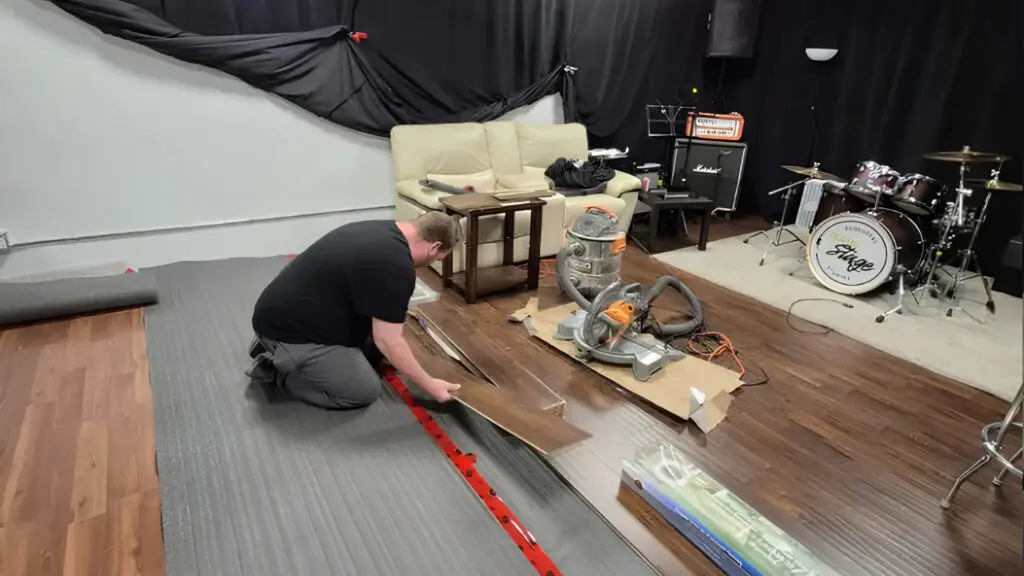
Much of our initial investment went into professional music equipment, leaving limited funds for improvements. With help from some of our monthly tenants, Justin gradually finished and developed our spaces as resources became available.
We learned to spread major projects over several years, giving each new service time to attract customers and generate revenue before investing in the next.
As a CPA, I know that even a profitable business can run into trouble if it doesn’t have enough cash to cover its obligations.
Our lesson: Don’t measure growth by how quickly you expand. Measure whether you can afford to maintain what you’ve built.
2. Listen to customers before investing
Many of our studios exist because musicians told us what they needed.
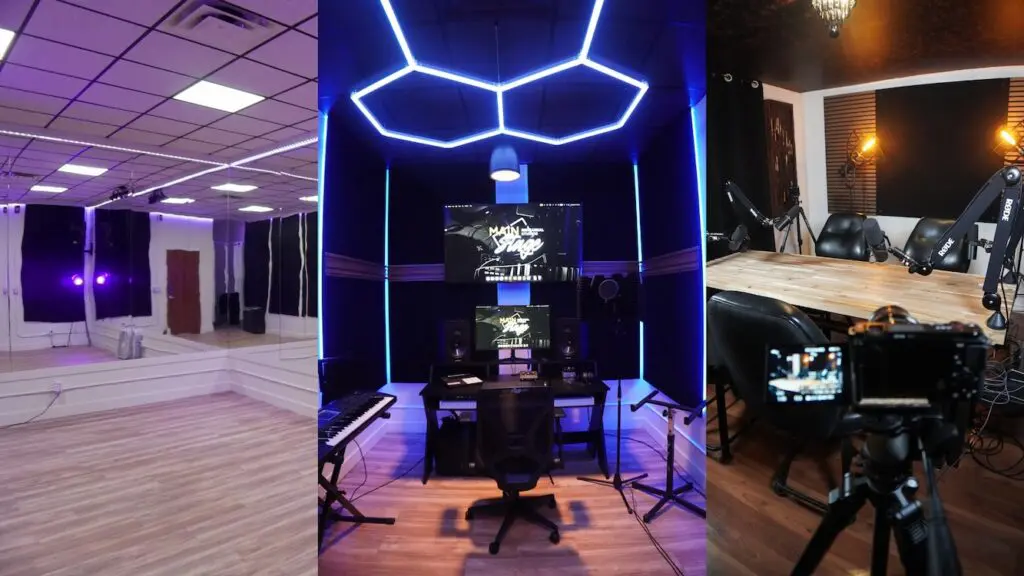
When bands asked for mirrors, we created Studio 11. When metal musicians wanted a heavier, more distorted sound, we developed Studio 12. As demand for podcasting and music production grew, we introduced dedicated Podcast and Production Studios.
We’re continuing that approach with our upcoming expansion: affordable drum practice rooms, safe and affordable teaching spaces, larger monthly studios, and a flexible community rental space.
We don’t assume everyone needs a fully equipped rehearsal room. Sometimes, people simply need an affordable place to teach, meet, or present their work.
Our lesson: Customer feedback is valuable market research. Listen before you spend.

3. Expect the unexpected and budget for it.
Having worked as a controller and served as a board treasurer, I’ve always recommended maintaining a contingency fund to protect cash flow and avoid disrupting financial plans.
When the HVAC system in our Showcase Room broke down, replacing it wasn’t as simple as buying a new unit. The original system wasn’t efficiently located or adequate for the room’s capacity, so we also needed to upgrade the ventilation and exhaust systems. It quickly became a major unexpected expense.
Without a contingency fund, we could have been forced to close the Showcase Room or take out a business loan at a potentially high interest rate. Grants aren’t a practical solution for emergencies either, as applications and approvals can take months, while the bills keep coming and revenue is being lost.
I know of two businesses that closed this year following unexpected incidents involving HVAC repairs and a fire. It’s a reminder of how quickly things can go wrong. We knew that not every unexpected expense would be covered by insurance, so we had planned for situations like this.
By drawing on our contingency fund and postponing other planned improvements, we were able to address the problem without major booking cancellations.
Our lesson: Keep a contingency fund and stay flexible with your investment plans. An unexpected repair could put your entire business at risk.
4. The best pricing model isn’t always the one that generates the most revenue.
Over the years, we’ve considered different pricing models, including memberships and subscriptions.
But we’ve chosen to keep our hourly rehearsal pricing straightforward: musicians pay for the time they actually use.
A band preparing for a show might rehearse several times a week, while another might only book occasionally. We don’t believe customers should have to pay a recurring fee for services they may not need.
Of course, predictable subscription revenue can be attractive to a business. But our priority is to build honest, long-term relationships with our customers while keeping rehearsal affordable and accessible.
We’ve also expanded into other services, including event rentals, podcasting, and production, to diversify our revenue and help support our core rehearsal business.
Our lesson: A sustainable business model has to work for both the company and its customers.
5. Success is about more than business growth
Five years ago, our goal was to build a business that could support our family, provide good jobs, and offer musicians an affordable, professional place to rehearse.
What we didn’t expect was how much our mission would grow.
We saw musicians who had been isolated during COVID find people to jam with. We watched bands form, friendships develop, and new music being created.
That inspired us to become more involved in the community through Open Jams, free workshops, networking events, participation in the Hamilton Music Advisory Team, and partnerships that create more opportunities for local musicians.
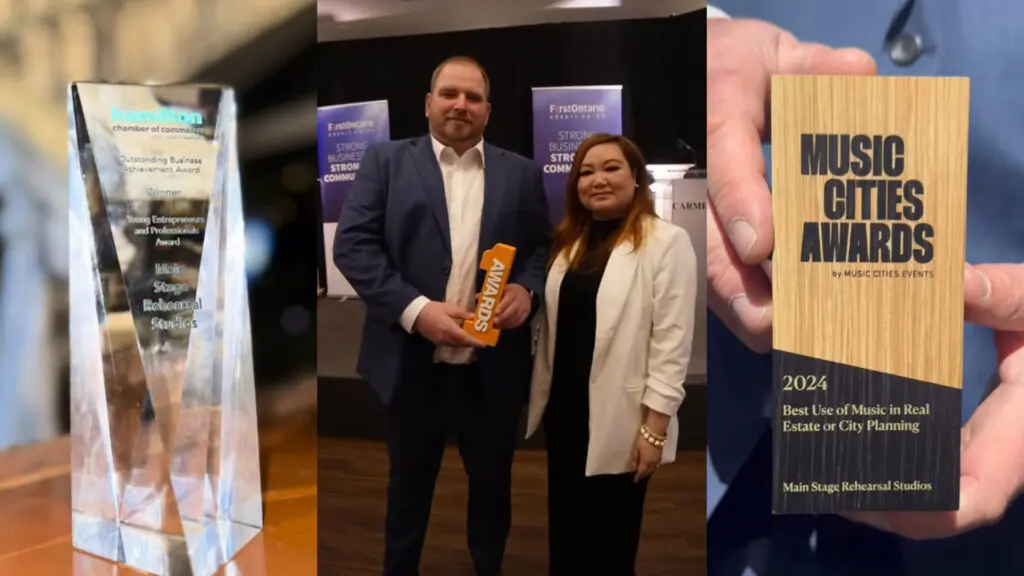
Along the way, we’ve been fortunate to receive recognition, including the Hamilton Chamber’s Young Entrepreneur Award, the FirstOntario 1Awards, and the international Music Cities Award.
The global recognition was particularly meaningful because it gave us confidence that what we were building in Hamilton could make an impact beyond our city.
But our greatest achievement isn’t an award. It’s seeing thousands of musicians make Main Stage part of their musical lives.
Our lesson: Build something people genuinely value, and give them a reason to keep coming back.
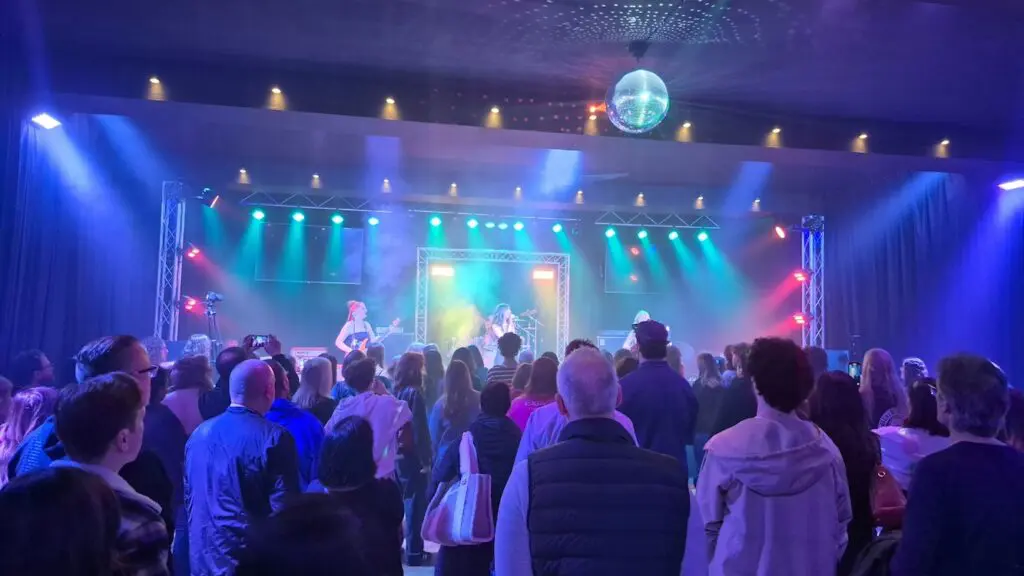
What’s next for Main Stage?
We’re continuing to invest in new facilities, music education, artist development, and partnerships that create more opportunities for musicians.
In the coming years, we hope to attract more music projects to Hamilton, expand our reach across Ontario, and make Main Stage a name that even non-musicians recognize.
We want Main Stage to become a lasting asset to Hamilton.
And personally, Justin and I hope that one day our boys, Tyson and Austin, might carry the business forward. Tyson is already proud when he hears that his friends’ parents rehearse at his daddy’s studio.
It reminds us why we’re building for the long term. We want Main Stage to be here not just for today’s musicians, but for the next generation.
Thank you to our musicians, tenants, staff, partners, and community for being part of our first five years.
Have a great year-end! Enjoy the holiday and stay tuned for our fifth-anniversary celebration and giveaways this January!