

2 minute read

Hamilton’s event and music scene is growing, and we’re excited to see more spaces becoming available for concerts, parties, showcases, workshops and community events.
But as more spaces are being offered for rent, there’s an important conversation worth having:
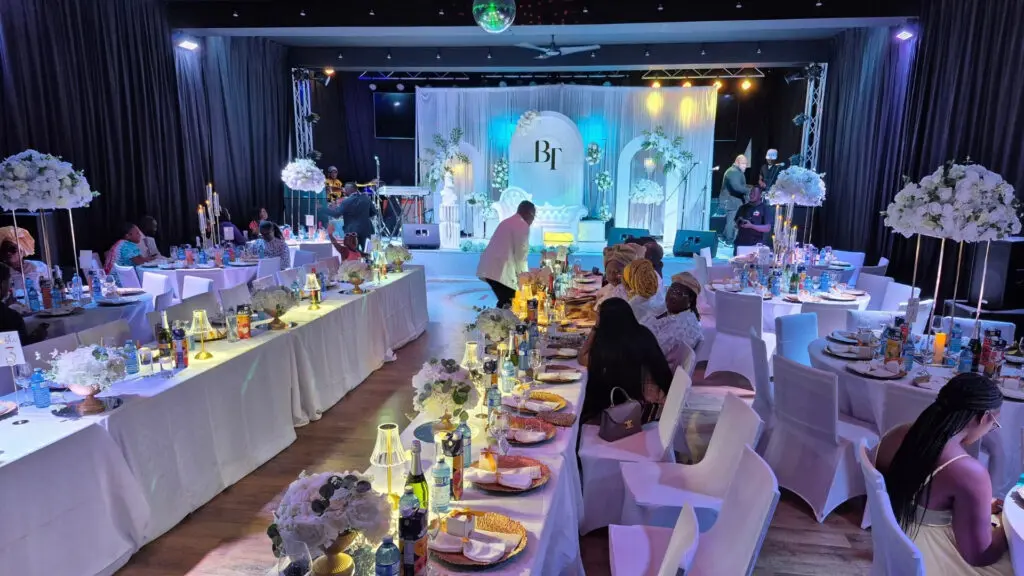
What actually makes a space an event venue?
An empty room, warehouse, studio or commercial unit may look perfect once you add some tables, lights and a sound system. But hosting 20, 50, 100 or more people comes with responsibilities that aren’t always visible when you’re comparing rental prices.
That’s part of the reason properly operated venues can cost more.
You’re not just paying for the room.
What actually makes a space an event venue?
A commercial space isn’t automatically suitable for every commercial use.
Zoning, building use, occupancy and other requirements can depend on what actually happens inside a property. A space being suitable as an office, warehouse or studio doesn’t necessarily mean the same space is automatically suitable for gatherings or live entertainment.
For an event organizer, one of the questions worth asking is simple:
Is this space actually intended and approved for the type of event I’m hosting?
That becomes particularly important as attendance grows.
Fire Safety & Capacity Matter
Maximum capacity isn’t simply a number chosen by the venue based on how many chairs can fit in the room.
Proper exits, emergency lighting, fire protection equipment, electrical systems and safe access all become important when you’re inviting the public into a building.
And those exits have to remain accessible throughout the event.
A beautiful venue isn’t very useful if guests cannot safely get out during an emergency.
Alcohol Changes the Responsibility
Alcohol introduces another level of responsibility.
Serving alcohol isn’t simply buying drinks and putting someone behind a bar. Depending on the event and venue, appropriate liquor licensing or permits may be required, along with responsible alcohol service and compliance with applicable rules.
There is also a human side to it.
When alcohol is involved, venue operators and event organizers need to think about intoxication, guest behaviour, conflicts, safe transportation and what happens when someone has had too much to drink.
Those responsibilities don’t disappear because the event is private.
Live Music Has Licensing Too
When copyrighted music is performed or played publicly in Canada, appropriate music licensing may also be required.

Depending on the use, this can include SOCAN and/or RE:SOUND licensing administered through Entandem.
Paying a band or DJ doesn’t necessarily replace the requirement for public-performance music licensing. Different licences can apply to live music, recorded music, dancing, concerts, receptions and other uses.
It’s one of those operating costs most guests will never see—but it’s part of running a legitimate music and event space.
Insurance Is Something You Hope You Never Need
Insurance is another invisible cost.
Nobody books a birthday party, concert or corporate event expecting someone to fall, equipment to be damaged or an accident to happen.
But venues need to plan for the unexpected.
A responsible venue operator thinks about liability and risk before the doors open—not after something happens.
Safety Doesn’t Stop at the Door
Venue responsibility extends beyond the room where the event happens.
Think about a January event in Hamilton.
Has the parking lot been plowed? Are the sidewalks cleared and salted? Are entrances adequately lit? Is the building maintained? Are stairs and railings secure? Can guests safely reach their cars at the end of the night?
In Ontario, property occupiers have responsibilities to take reasonable care to keep people entering their premises reasonably safe.
That means property maintenance is part of event safety too.
Parking Is Part of the Event Experience
Parking may not be the most exciting part of choosing a venue—until 100 people arrive at the same time.
Adequate and appropriate parking affects traffic, neighbours, accessibility, loading and unloading, and most importantly, the guest experience.
For musicians, it matters even more.
Loading drums, amplifiers, keyboards and production equipment from several blocks away is very different from pulling up at the venue.
Then There Are the Costs You Never See
Behind a professionally operated venue are expenses guests rarely think about:
Insurance.
- Licences and permits.
- Fire and safety compliance.
- Building maintenance.
- Heating and cooling.
- Snow and ice removal.
- Parking maintenance.
- Cleaning.
- Security and staffing.
- Washrooms.
- Electrical infrastructure.
- Emergency systems.
- Accessibility.
- Music licensing.
- Alcohol compliance.
- Repairs and inspections.
None of those things are particularly exciting.
But they matter when you’re responsible for a building full of people.
Before You Book a Venue, Ask Questions
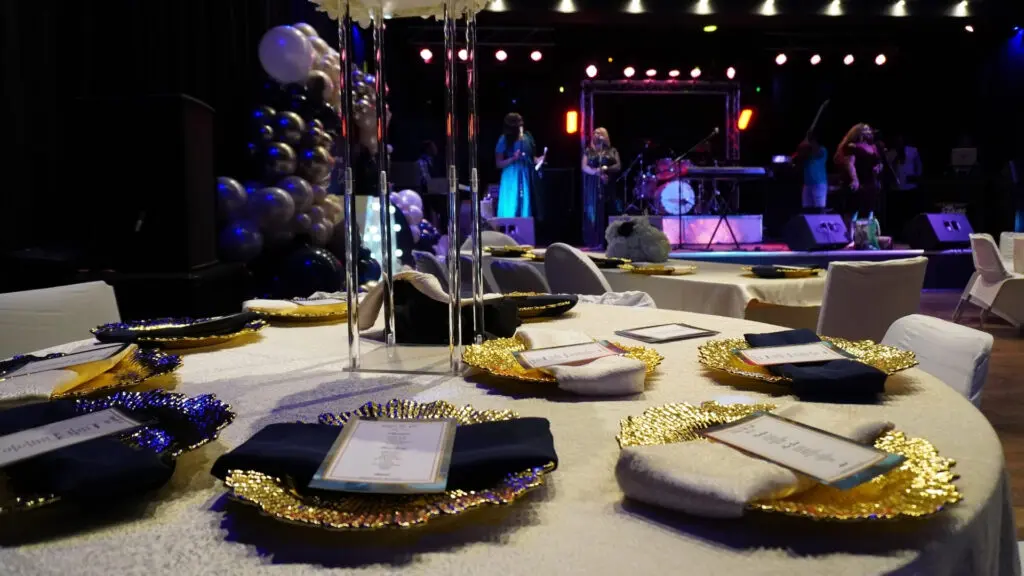
Price should absolutely be part of your decision—but it shouldn’t be the only question.
Ask about capacity. Ask about insurance. Ask about alcohol. Ask about parking. Ask whether live music is permitted. Look for clearly marked exits. Understand who is responsible for what during your event.
Especially if you’re organizing an event for other people, you’re not simply choosing a room.
You’re choosing where you’re bringing your guests.
Why We Take It Seriously at Main Stage
At Main Stage Rehearsal Studios, we’ve learned that operating a venue is much more than putting a stage inside a room.
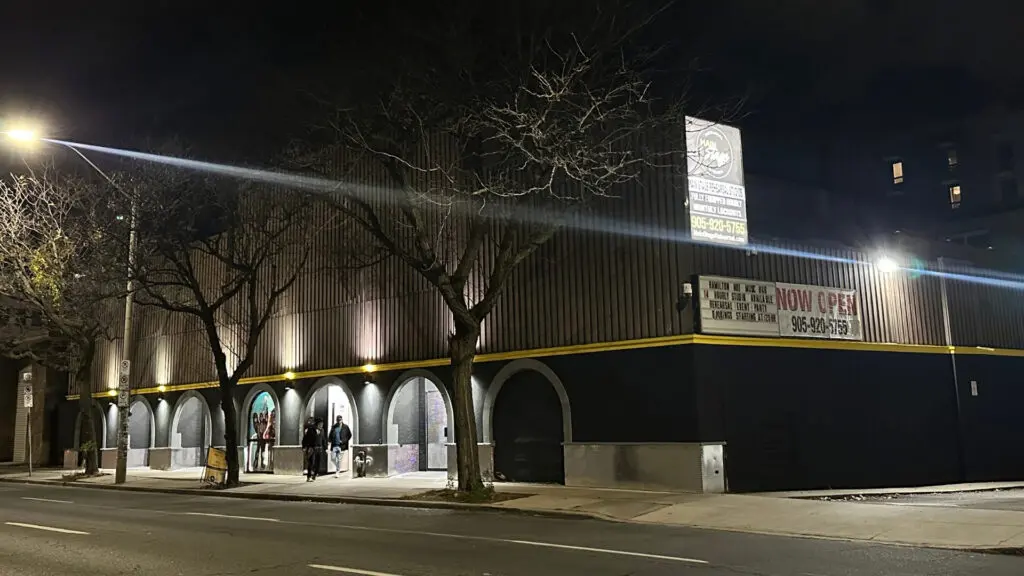
It’s maintaining the property. It’s understanding capacity and safety. It’s carrying insurance. It’s managing alcohol responsibly. It’s maintaining parking and entrances through Hamilton winters. It’s obtaining appropriate music licensing. And it’s continually investing in the building and the people operating it.
A lot of that work happens quietly in the background.
Most guests will never notice it.
And that’s exactly the point.
When an event runs smoothly, people should be able to enjoy the music, celebrate, meet each other and go home safely without thinking about everything that had to happen behind the scenes.
So when you’re comparing venue prices, don’t just compare square footage.
Ask what comes with those four walls.